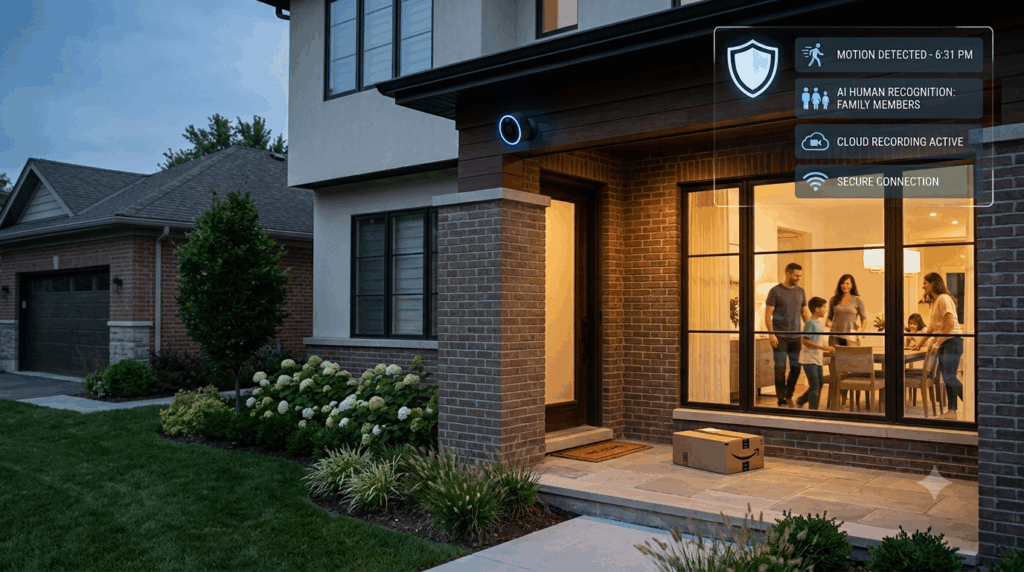
Complete Protection Solutions offers advanced security solutions to help homes, offices, and commercial properties stay safe. In today’s rapidly evolving security landscape, professional security guards are no longer limited to physical presence alone; they now work in tandem with smart devices, motion detection systems, cameras, and automated alarms to create a fully integrated security ecosystem. Combining human vigilance with technology ensures faster response times, minimizes risks, and strengthens protection for residential and commercial spaces alike.
In this guide, we’ll explore how professional security guards integrate with modern security devices, providing a safer environment for your property while streamlining security operations.
The Role of Professional Security Guards in Modern Security
Professional security guards are trained to monitor premises, respond to incidents, and enforce access control protocols. While technology enhances security, guards provide the human judgment and immediate intervention that systems alone cannot achieve.
Some common roles include:
- On-site security guard – Continuously monitors a facility, performs patrols, and ensures safety compliance.
- Armed security guards – Provide high-level protection for sensitive sites, including banks, data centers, and corporate offices.
- Event security guard – Manages crowd control and safety at events, concerts, or large gatherings.
- Residential security guard – Protects gated communities, apartment complexes, or private estates from intrusions.
By integrating with technology, professional security guards amplify the effectiveness of motion sensors, alarms, and camera systems.
Integrating Security Guards with Motion Detection Systems
Modern security systems rely heavily on motion detection sensors to detect unauthorized movement. When combined with professional security guards, these systems become proactive rather than reactive.
Key benefits of integration:
- Real-time Alerts – Motion sensors trigger alerts to the security control room and on-site guards, allowing immediate action.
- Reduced False Alarms – Guards can verify incidents before deploying additional resources, ensuring accurate responses.
- Enhanced Surveillance Coverage – Guards respond to sensor activations that cameras may miss, particularly in blind spots or low-light conditions.
Example: A motion sensor in a commercial warehouse detects unexpected movement at night. The on-site security guard receives an instant notification via a mobile app or central monitoring hub, allowing them to investigate immediately while cameras record the event.
Professional Security Guards and Smart Security Cameras
Integration with smart cameras takes security to the next level. Guards can monitor live camera feeds, review recorded footage, and receive automatic alerts when suspicious activity occurs.
Advantages include:
- Event-based Recording: Cameras record only when motion or unauthorized access is detected, saving storage and making footage easier to review.
- Remote Monitoring: Guards can access office or residential camera feeds from secure mobile apps, enabling coverage even when away from the site.
- Enhanced Night Surveillance: Coupled with smart lighting, cameras capture high-quality footage during nighttime or low-light conditions.
For example, in office buildings with multiple entry points, security guards can monitor all cameras in real time while responding to detected movement, improving both efficiency and safety.
Integrating Alarm and Siren Systems with On-Site Guards
Alarm and siren systems are crucial in alerting both security personnel and occupants during potential threats. By working alongside professional security guards, these systems ensure faster response and minimize property damage.
How integration works:
- When motion is detected or a door is forced open, the alarm system triggers an audible alert.
- On-site guards immediately receive the alert, either on their mobile devices or via the control panel.
- Guards can investigate, manage evacuations, and coordinate with law enforcement if necessary.
This integration is particularly effective for security guards for hire in commercial properties, warehouses, and retail centers.
Smart Lighting and Security Guard Patrols
Motion-activated smart lighting not only deters intruders but also enhances surveillance during security guard patrols.
Benefits of integrating smart lighting:
- Lights turn on automatically when motion is detected, improving visibility for guards and cameras.
- Illuminated areas reduce blind spots, making intruder identification easier.
- Guards can coordinate patrols more effectively in large properties.
For residential security, this means residential security guards can detect suspicious activity quickly, while homeowners feel more secure knowing movement triggers lights and alerts.
Mobile Notifications and Professional Security Guards
Modern security systems now include mobile notifications, sending alerts directly to guards’ smartphones or tablets.
Why this matters:
- Guards can respond to incidents even when away from a fixed monitoring station.
- Push notifications include snapshots, video clips, or sensor triggers for faster assessment.
- Mobile apps allow guards to log incidents, mark them as resolved, or request backup.
For office security camera installation and home security camera installation, integrating guards with mobile notifications ensures both human oversight and technological efficiency.
Access Control Systems and Guard Coordination
Access control systems like electronic locks, biometric scanners, and keycard systems are essential for protecting sensitive areas. Professional security guards enhance these systems by:
- Monitoring unauthorized access attempts in real-time.
- Locking down restricted areas if suspicious activity is detected.
- Coordinating with AI-based monitoring systems for automated responses.
For example, in a warehouse, if a restricted door is opened after hours, the security guard for commercial properties can lock down the facility and investigate immediately, preventing potential theft or damage.
Smart Home Automation Meets Security Guards
In residential settings, motion detection, cameras, alarms, and smart lighting can all be integrated with on-site or on-call security personnel.
Scenario:
- Motion is detected at the front door.
- Cameras start recording automatically.
- Smart lights illuminate the pathway.
- Guards receive instant notifications and assess the situation.
This multi-layered approach combines private security guards with automation for a safer, more efficient response system.
Central Security Hubs and Integrated Guard Management
Many modern security systems use a central hub to coordinate multiple devices. Professional security guards benefit from this centralized system because:
- Sensors and cameras are monitored in one location.
- Guards can prioritize incidents based on risk and location.
- Multiple sites can be managed efficiently, reducing the need for extra personnel.
This is particularly useful for businesses with multiple offices or retail chains, enabling security guard services for businesses to be streamlined and cost-effective.
AI-Based Monitoring Systems and Guards
Artificial intelligence is increasingly integrated into motion detection and surveillance systems. AI systems can:
- Differentiate between humans, animals, and environmental factors.
- Reduce false alarms, alerting guards only to genuine threats.
- Analyze patterns to predict potential security breaches.
When professional security guards collaborate with AI, the result is a faster, more accurate, and proactive security response, enhancing protection for commercial properties, offices, and residential complexes.
Why Businesses and Homeowners Should Hire Professional Security Guards
While technology is powerful, human expertise remains essential. Professional security guards provide:
- Immediate on-site response to incidents.
- Verification of alarms before unnecessary escalation.
- Personalized security solutions tailored to property needs.
- Support for large-scale event security, reducing risk to attendees.
Hiring guards along with advanced security systems maximizes protection while maintaining operational efficiency.
Best Practices for Security Guard Integration
To ensure professional security guards work seamlessly with technology:
- Regular System Testing: Test sensors, cameras, alarms, and communication tools monthly.
- Training: Guards should be trained on new devices, AI alerts, and automated systems.
- Data Sharing: Use central hubs to share incident reports, sensor data, and camera footage.
- Backup Plans: Equip guards with mobile devices and backup power to maintain operations during outages.
- Pet and Environmental Considerations: Ensure motion sensors are adjusted for pets or environmental factors to minimize false alarms.
Conclusion
Integrating professional security guards with motion detection, smart cameras, alarms, lighting, and AI monitoring systems creates a robust security ecosystem for homes, offices, and commercial properties. Complete Protection Solutions demonstrates that combining human expertise with cutting-edge technology not only strengthens protection but also improves efficiency, reduces false alarms, and ensures rapid response to threats.
From residential security guards monitoring gated communities to armed security guards protecting high-value commercial assets, the synergy between technology and human oversight is the future of professional security.
FAQs
1. Can professional security guards work without internet-connected devices?
Yes, guards can operate independently, but internet integration enhances alerts, remote monitoring, and automated responses.
2. Are motion sensors reliable during power outages?
Most systems have backup batteries to maintain functionality, ensuring guards can respond to incidents without interruption.
3. Can security guards distinguish between pets and intruders?
While guards have the judgment to assess threats, pet-immune sensors reduce unnecessary alerts for small animals.
4. Can professional security guards support outdoor areas?
Yes, guards can monitor outdoor motion sensors, lighting systems, and perimeter cameras for full-site coverage.
5. How often should security systems be tested?
It’s recommended to test all motion detection systems, cameras, alarms, and communication devices at least once a month.