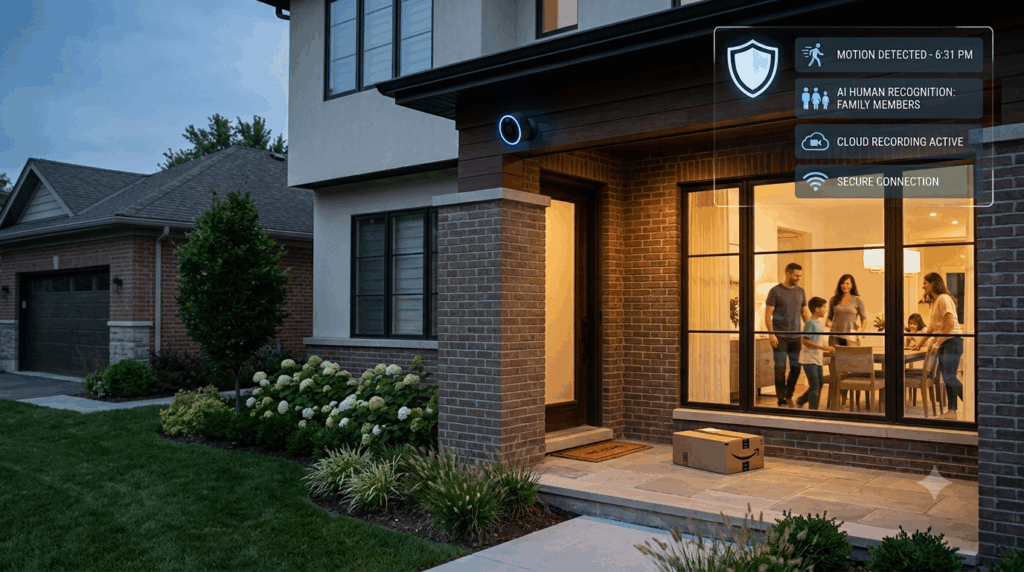
Smart devices provide you with peace of mind, but when they aren’t secured, then your front door is open to cyber threats! We at Complete Protection Solutions help homeowners protect their homes using the finest technology and proactive behaviors. When you’re trying to prevent anyone from getting into your house using your cameras or door locks, it’s best to know about the topic of home security hacking so that you can be better prepared.
An opening in a residential security system isn’t merely about the equipment; it is about your family’s lives. Have your home monitoring system protected from unauthorized access with these 10 steps you can take.
1. Secure Your Wi-Fi Network: Home Security Hacking
Your wireless router is the house entrance to your total digital system. When a hacker hacks into your Wi-Fi, he or she is able to access all the devices connected to it.
- Change the default network names (SSID): If the SSID is the default name, it gives the attacker a clue as to the router model and makes it easier to find known vulnerabilities.
- Upgrade your router’s security level to WPA3 or WPA2-AES, so no one can get a hold of your signal.
- Wi-Fi Protected Setup (WPS) is known to have vulnerabilities for easy brute-forcing attacks.
2. Use Strong and Unique Passwords.
Using the same password in multiple accounts adds a huge security problem. When your home security system is breached, a hacker already has credentials from another site and logs in to your home security.
- Use passphrases of 12-15 characters or more.
- Use Capital letters, lowercase letters, numbers, and special symbols.
- Don’t save credentials in browser memory.
3. Access Two-Factor Authentication (2FA)
Two-factor authentication provides an additional layer of security. If a bad actor tries to sign in with the wrong password, 2FA will prevent them from logging in without the temporary code that is sent to you via your phone or authenticator app.
When available, use authenticator apps or hardware keys, rather than SMS text codes, because SMS can be compromised via SIM swapping.
4. Ensure that Firmware and Software are kept current.
There are regular security patches available to manufacturers to address new system bugs and security holes. You run old software and are vulnerable to automated exploit scripts.
- Enable automated updates for all security hubs, IP cameras, and smart locks.
- Inspect all connected hardware on the manufacturer’s mobile app every month to ensure it is using the latest version.
5. Use a Guest Network for Smart Devices.
A segmented network ensures that your security devices are not connected to devices that are more prone to risk, such as laptops, gaming consoles, or guest phones.
| Network Type | Connected Devices | Security Level |
|---|---|---|
| Main Network | Laptops, Work Phones, Personal Tablets | High Encryption |
| Guest Network (VLAN) | Security Cameras, Smart Locks, Alarm Hubs | Isolated Access |
6. Turn off the Unused Remote Access Features.
Many systems have remote management options that are activated by default. If you are not going to change any of the settings within the system while on the road, disable them in your admin panel.
If you must open up public ports, do so via a Virtual Private Network (VPN) through your home router.
7. Turn Off Universal Plug and Play (UPnP)
UPnP makes it possible for smart devices to “discover” and auto-open network ports. UPnP is handy, but it also provides opportunities for stealthy malware entry without your awareness. Turn off UPnP and manually open ports in your router’s configuration.
8. Periodic audit: App permissions regularly.
If you have a mobile application to manage your home security system, it may be requesting more access than is warranted. Check app permissions on iOS or Android devices periodically.
- Only When Using the app: Restriction on Location Access.
- Turn off the microphone or camera for tools not needed when recording.
- Remove old devices connected to your account from your account’s dashboard.
9. Close Physical Access Points
Cyberattacks do not always happen across the Internet. An intruder that can access your router or security hub can reset the hardware to factory defaults or install a malicious dongle.
- Locate the principal Internet connection in a secure cabinet or inside a home.
- Put outdoor cameras at a height that cannot be easily accessed physically or by cutting the cable.
10. Make sure to pick Reputable Hardware Vendors.
Smart hardware is not created equal. Low-cost, lower quality IP cameras often come with the same hardcoded passwords, unencrypted video streams, and one-and-done software support. Choose a provider that already exists, like Complete Protection Solutions, to get an end-to-end encrypted system with regular security updates.
Frequently Asked Questions
Is it possible to breach my home security system without the internet?
Yes. Cellular systems or systems using local radio frequencies can be targeted through the use of signal jammers or physical access. But encrypted cellular networks are much more difficult to hack than unsecured Wi-Fi networks.
How to know if my security camera is hacked?
Unexpected camera movements, strange noises or voices from the speaker, changed password settings, or unexpected surges in your home network data usage are all common indicators.
By switching off my router, will it stop others from hacking my security?
When your router is on, you can receive warnings from people on the internet and be monitored remotely, but you can’t get warnings from people on the internet, be monitored remotely, or control your router with the internet from a mobile device when your router is off. A secure, encrypted network is far safer than turning off your network.
Which is more secure, wired or wireless security systems?
Wired systems are generally resistant to wireless signal jamming and wireless interception of signals. They still need network security if they are connected to the internet to monitor the mobile.
Which of the following is the most critical step to secure a home security system?
The two most significant steps you can take immediately to prevent unauthorized sign-ins are to enable two-factor authentication (2FA) and change default credentials.