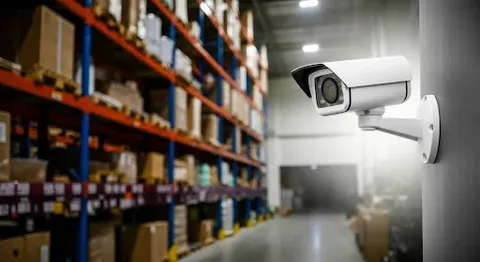
A multi-layered barrier defense includes physical perimeter defenses, automated electronic access control (ACS), high-definition video surveillance with AI motion analytics, commercial intrusion detection alarms, and operational visitor procedures to secure high value stock and logistics staff and avoid cargo theft.
To warehouse security solutions, perform a site-wide risk assessment, secure perimeter fencing with anti climb barriers, utilize commercial-grade 1 electronic access control locks on all pedestrian and loading dock entrances, install IP thermal or optical CCTV cameras at blind spots and loading bays, implement biometric or keycard credentials at high-shrinkage areas, and select a licensed commercial security integrator to establish a 24/7 central station monitoring service.
The Layered Defense Model: Warehouse Security Solutions
The idea of multiple warehouse security guard barriers between an intruder and your high-value inventory is the foundation of modern-day warehouse security.
1. Outer Perimeter Barriers and Entry Gates
The initial line of defense entirely blocks unauthorized cars and pedestrians from entering your property grounds.
Perimeter fencing, 8 to 10 foot chain link or welded wire mesh fencing with razor wire or anti-climb protection installed along the top.
Deploy the gate operators with crash-rated capabilities integrated with forward-facing ALPR cameras to screen delivery trucks and contractor vehicles as they arrive.
Flood all fencing perimeter lines, parking, and loading areas with high-lumen LED floodlights so there is no darkness for the intruder to hide in.
2. Loading Dock Security
The highest operational risk for intrusion and inventory loss is loading bays.
● Vehicle Restraints and Dock Interlocks: Use the automatic vehicle restraint to secure trailers to the dock wall in order to stop the rogue truck pull-aways during loading.
● Dock Door Sensors: Mount magnetic reed switches on your overhead roll up doors and be alerted instantly if the door is left open without a current loading schedule.
Advanced Electronic Access Control and Surveillance
And going into the building, you have electronic security systems that monitor your every move and prevent access internally if you are not granted employee access.
1. Electronic Access Control Systems (ACS)
Keys can be misplaced or duplicated, and padlocks are a drain on time and resources in large distribution centers.
Give staff biometric fingerprint or facial scanners, smart keycards, or mobile Bluetooth credentials. Restrict entry to the warehouse floor to designated shift hours.
● High-Value Storage Cages: Surround electronics, pharmaceuticals, or high-dollar merchandise with interior wire security cages outfitted with dual-custody credential scanners.
2. Intelligent Video Surveillance and Motion Detection with AI
● High-Definition IP Cameras: Use 4K dome and bullet cameras across all entry points, aisleways, staging bays, and shipping desks.
● AI Video Analytics: Cameras with deep-learning analytics will identify perimeter line crossing, a perimeter loiterer, or other motion after hours to immediately alert security teams.
Warehouse Security Controls Summary
● Perimeter Fencing & Gates: Highest physical barrier; prevents access by vehicle; necessitates ALPR with crash-rated access gates.
● Electronic Access Control (ACS): Good internal control; physical key issues are mitigated; audit trail for each door opening.
● AI Video Surveillance: Demonstrates a high level of coverage; is less disruptive to residents; can trigger alarms based on suspicious behavior; and provides video verification.
● Loading Dock Interlocks: Essential inventory security; blocks dock theft and intrusion; tracks overhead door positions.
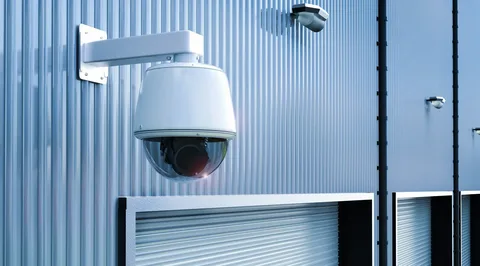
Why Hire Professionals for Commercial Warehouse Security?
Custom installation of security systems in a commercial warehouse surveillance system involves low-voltage wiring, system integration, and compliance with building codes.
A professional security contractor will interconnect access control, CCTV, and intrusion detection via integrated management software into an integrated security management software package that is directly connected to a UL-listed 24/7 central station for dispatch to law enforcement.
As part of their network security best practices, certified security integrators perform professional optical field of view surveys to remove camera blind spots across large expanses of ceilings. They also put in cyber-secure network protocols that prevent IP security devices from being hacked.
The commercial security solution should ensure that perimeter access is designed to accommodate fire codes for fire control exits and that fire exits don’t prohibit egress or EXIT from the property during a fire and still restrict outside access to the building.
Conclusion
A single lock and a surveillance camera are no longer enough to secure a commercial warehouse. To safeguard valuable inventory, the supply chain, and your workers, you need a contemporary mix of an impenetrable perimeter barrier, automated electronic access control, smart video analysis, and loading dock security.
With a licensed commercial security integrator as your partner, you can defend against vandals and thieves and ensure a safe warehouse.
Frequently Asked Questions
1. What is the most vulnerable area of a commercial warehouse?
The loading dock area is typically the most vulnerable point of entry due to high personnel traffic, open overhead doors, and constant trailer movement.
2. How does electronic access control improve warehouse security?
Electronic access control replaces physical keys with trackable credentials (keycards, mobile apps, or biometrics), allowing management to restrict specific zones, schedule access times
3. Are security cameras enough to prevent warehouse break-ins?
No. Cameras alone serve as visual deterrents and recording tools.
4. What is dual-custody access in a warehouse environment?
Dual-custody access is a security protocol that requires two authorized employees to scan their credentials simultaneously.
5. How often should warehouse security audits be conducted?
Facility management should conduct comprehensive warehouse security audits at least once per year, or immediately following any significant security incident.