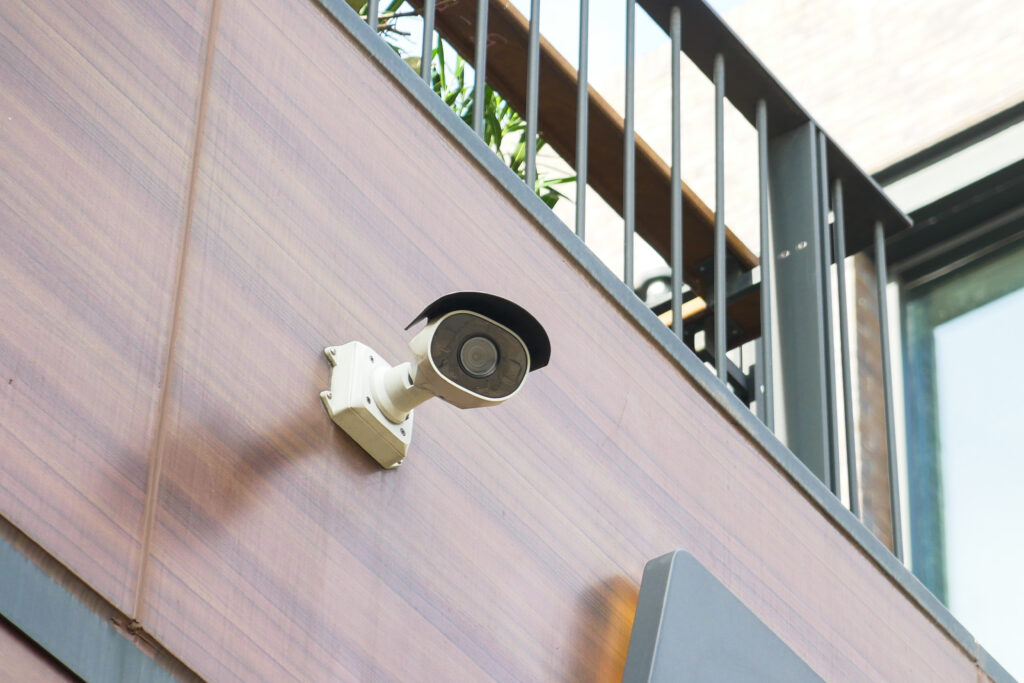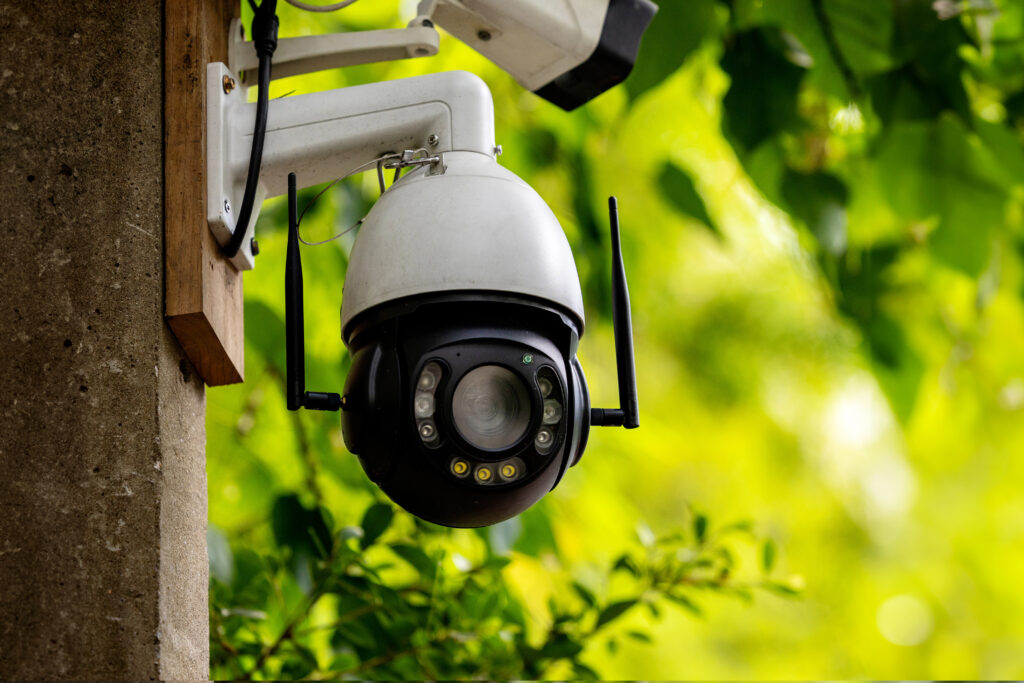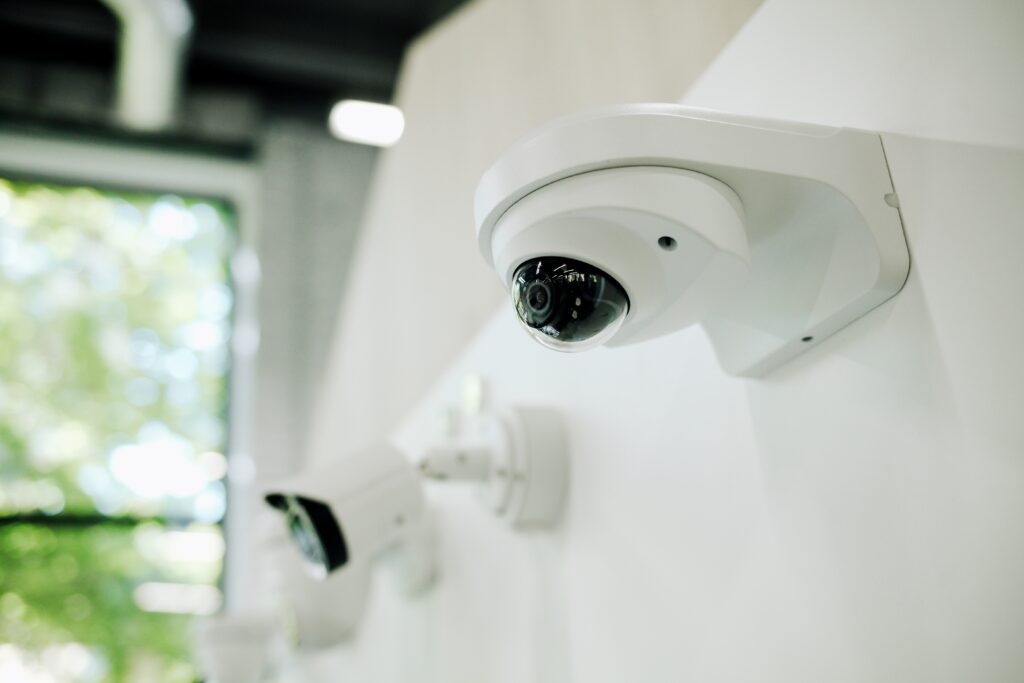
If you’re looking to enhance your home’s protection, understanding motion detection security systems is a smart first step. These systems detect movement, trigger alerts, and help safeguard your property. With the rising adoption of smart‑home technology, now is a great time to explore how motion‑detection tools can fit into your security strategy.
In this guide, we’ll walk you through the fundamentals of motion detection security systems from how they work, to choosing the right features, to real‑world considerations for installation and maintenance. Whether you’re in a single‑family home, a rental property, or managing a small business location, you’ll gain a practical overview to make well‑informed decisions.
How Motion Detection Security Systems Work
At the heart of any motion detection security system in Castle Rock, CO is a sensor that monitors a defined area for movement. When it detects motion, it triggers an alert or activates a camera or alarm. Many modern sensors use passive infrared (PIR) technology which senses changes in heat patterns, while others may use microwave, ultrasonic, or dual‑technology combinations.
According to market data, the global motion‑sensor security market was valued at about USD 7.9 billion in 2025 and is projected to grow significantly through 2033.
This growth signals that more homeowners and businesses are investing in motion‑detection security systems. As such, you’ll want to pick a system that’s not only reliable, but scalable and future‑proof.
Key Features to Look For
When choosing a motion detection security system, consider several critical features that impact effectiveness:
- Sensor technology: PIR, microwave, dual sensors — each has pros and cons. PIR is cost‑effective and common; microwave can cover larger areas but may be more complex.
- Coverage area & sensitivity: Ensure the system covers the right angle and distance for your space (room interior, yard, driveway).
- Integration with cameras & alarms: A motion event should trigger something meaningful—notification, video recording, lights, or siren.
- Smart‑home connectivity: WiFi, cloud‑access, mobile alerts, compatibility with digital assistants.
- False‑alarm management: Pets, curtains, trees in wind can trigger alerts. Good systems offer adjustments for sensitivity, pet immunity, and zone customization.
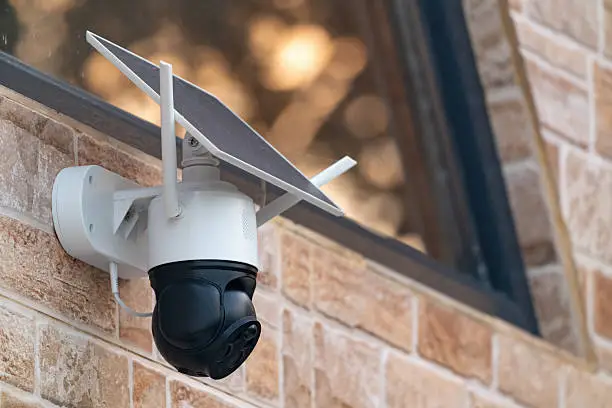
- Power & backup options: Wired or battery‑driven sensors, backup power for outages, secure connectivity.
- Installation flexibility and service: Whether you’re installing yourself or using a local installer, check that setup is manageable and support is available.
Benefits of Installing a Motion Detection Security System
Investing in a motion detection security system offers multiple advantages:
- Deterrence of intruders: Visible motion sensors and triggered lights/cameras often discourage break‑ins.
- Real‑time alerts: Receive notifications when motion is detected instead of discovering damage after the fact.
- Coverage of vulnerable zones: Driveways, side yards, garages, rear doors areas where traditional monitoring is often weaker.
- Integration with smart home and automation: For example, motion can trigger lighting, activate cameras, or even alert neighbors.
- Potential insurance savings: Some insurers offer discounts for homes with verified security systems.
- Peace of mind: Knowing you’ll be alerted to movement rather than relying solely on periodic checks.
Because the market is growing, systems are more affordable and feature‑rich than ever. With the right setup, you can significantly boost your property’s protection.
Considerations Before Installation & Local Setup
Before you commit to a system, some practical considerations:
- Layout & site survey: Identify entry points, vulnerable zones, and traffic flows. A “one‑size‑fits‑all” placement may not work.
- Environmental conditions: If you live in an area with lots of trees, wind, pets or weather extremes, these factors impact sensor performance and false alarms.
- Connectivity & power: Ensure your WiFi or network can support sensor and camera traffic; check for installation of backup power or battery sensors.
- Local installation services: Look for “motion detection security system installation” providers in your region who understand local building codes, climate conditions, and offer ongoing maintenance.
- Budgeting: While DIY kits are available, professional installation may cost more but reduce setup errors and ensure optimal coverage.
- Maintenance: Regularly test sensors, update firmware, and clear obstructions. A‑class systems need periodic checks to keep delivering on reliability.
Future Trends & What to Expect
The motion detection security market is evolving rapidly:
- Integration of AI and machine‑learning to filter out non‑threat triggers (pets, leaves) and reduce false alarms.
- Growth in wireless and battery‑powered sensors, making installation flexible and less invasive.
- Fusion of motion detection with video analytics, cloud‑monitoring, and smart alerts.
- Rising consumer demand for smart home security, which means your motion detection system should be compatible with other smart devices.
As a homeowner or property manager, planning for these trends ensures your system remains relevant and effective for years to come.
Conclusion
For beginners seeking robust protection, a motion detection security system is a foundational layer to safeguard their home or property. By understanding how motion sensors work, choosing the right features, factoring in local considerations, and planning for the future, you’ll be well‑equipped to install or upgrade a system with confidence. With thoughtful setup and regular upkeep, you’ll enjoy greater security, peace of mind and real value from your investment.
FAQs
Q1: What’s the average cost of installing a residential motion detection security system?
Costs vary widely depending on system size, features, and installation complexity. For residential setups, the average national cost can range from a few hundred to a couple of thousand dollars including sensors, cameras and installation.
Q2: How reliable are motion detection security systems?
Modern systems with quality sensors, proper placement, and smart algorithms can achieve high reliability. Market research shows rising adoption and reduced false alarms thanks to improved technology.
Q3: Can I install a motion detection system myself?”
Yes many DIY kits are available and suitable for typical home settings. However, if layout is complicated, or you need integration with smart home or commercial‑grade coverage, professional installation may be preferable.
Q4: How often should I maintain or test the system?
At minimum, plan for an annual inspection: test each sensor, clean lenses, check battery levels or wired connections, update firmware if needed. In some environments more frequent checks may be warranted.
Q5: Will a motion detection security system work in all weather conditions?
Most modern sensors are designed to withstand typical outdoor conditions, but extreme weather (heavy snow, dense foliage, glare) may affect performance. Choosing the right sensor placement, and environmental‑rated equipment helps ensure reliable operation.